Copper Pills: Benefits, Dosage, Safety, and Choosing the Best Copper Supplement
Copper Pills
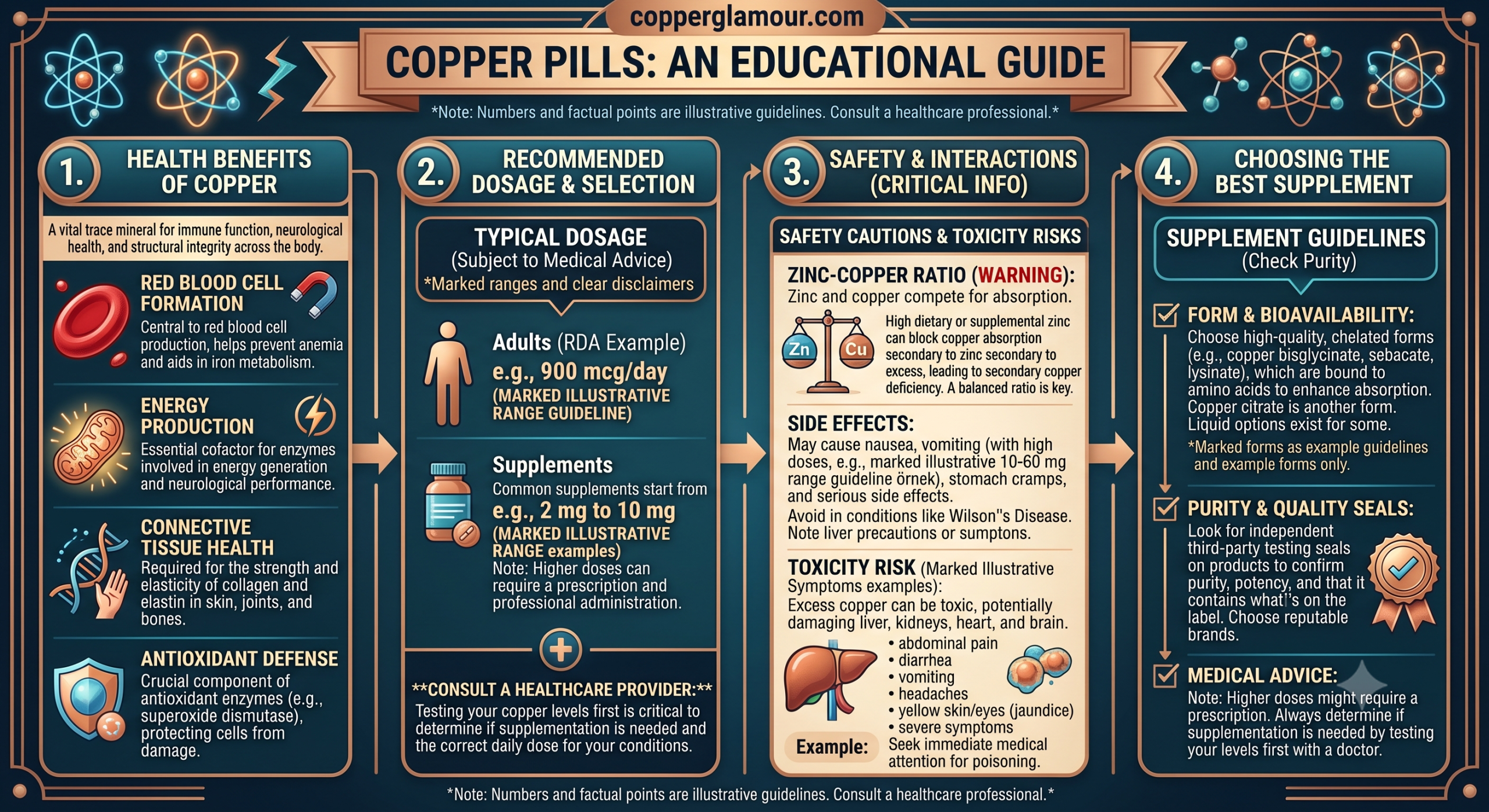
Copper pills are dietary supplements that provide copper, an essential trace mineral required for many normal biological functions. Copper supports iron metabolism, connective tissue formation, energy production, nervous system function, immune health, and antioxidant enzyme activity. While most people obtain enough copper through a balanced diet, supplements may be recommended in specific situations by a healthcare professional.
Copper supplements are available in several forms, including tablets, capsules, liquid formulations, and chelated minerals. The most appropriate choice depends on individual nutritional needs and medical advice.
At Copper Glamour, we celebrate the history and beauty of copper through handcrafted jewelry, drinkware, cookware, and decorative home accessories inspired by one of the world’s oldest metals.
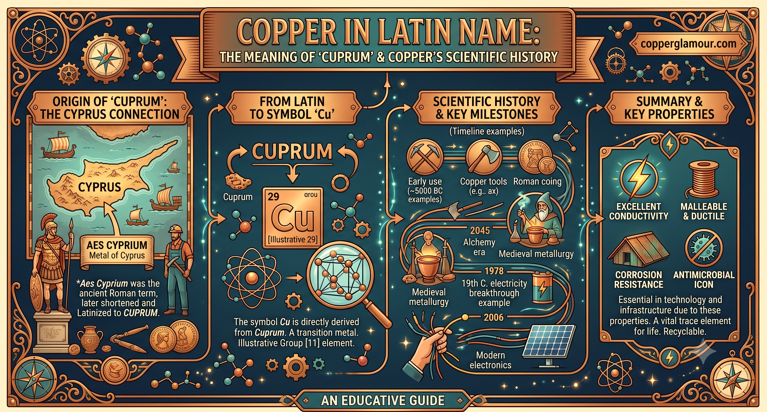
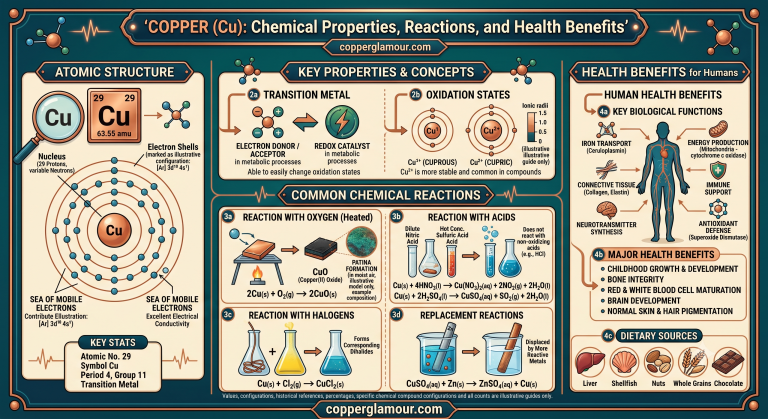
According to Wikipedia’s article on Copper, copper has played an essential role in human civilization for more than 10,000 years because of its unique physical properties and biological importance.
Explore the Copper Glamour Collection for artisan-crafted copper products.
What Are Copper Pills?
Copper pills are oral dietary supplements that contain elemental copper in different chemical forms.
Common forms include:
- Copper bisglycinate
- Copper gluconate
- Copper citrate
- Copper amino acid chelate
These products help increase copper intake when dietary intake alone may not be sufficient.
Copper Tablets vs. Copper Pills
Both copper tablets and copper pills provide the same essential mineral.
The primary difference is the delivery format:
- Copper tablets are compressed solid doses.
- Copper pills often refer to capsules or tablets.
- Capsules may dissolve more quickly for some individuals.
- Liquid supplements provide an alternative for people who prefer not to swallow pills.
Each option can be effective when used according to the manufacturer’s instructions.
Best Form of Copper Supplement
Several forms of copper supplements are widely available.
Copper Bisglycinate
Copper bisglycinate is a chelated form in which copper is bound to the amino acid glycine.
Copper bisglycinate benefits may include support for normal:
- Iron metabolism
- Connective tissue formation
- Collagen production
- Nervous system function
- Energy metabolism
Chelated forms are commonly selected because they are designed to remain stable during digestion.
Copper Gluconate
Copper gluconate is another frequently used supplemental form.
Potential copper gluconate benefits include supporting:
- Normal copper intake
- Healthy connective tissue
- Immune system function
- Energy production
Liquid Copper Supplement
A liquid copper supplement offers another convenient option, especially for individuals who have difficulty swallowing tablets or capsules. Liquid products should always be measured carefully according to the manufacturer’s instructions.
Best Copper Supplement for Absorption
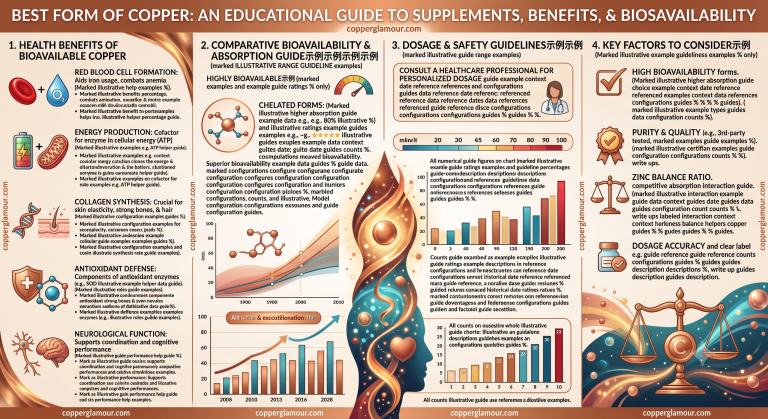
Many people search for the best copper supplement for absorption.
Chelated forms such as:
- Copper bisglycinate
- Copper amino acid chelate
are designed to improve mineral stability during digestion. However, current scientific evidence does not establish one form as the best choice for everyone. Individual absorption varies based on overall diet, digestive health, and nutritional status.
The National Institutes of Health Office of Dietary Supplements provides reliable guidance on copper intake, dietary sources, and supplement safety.
Copper Supplement Dosage
Copper requirements vary depending on age, sex, health status, pregnancy, lactation, and dietary intake.
For most healthy adults:
- Recommended Dietary Allowance (RDA): 0.9 mg (900 micrograms) daily
- Tolerable Upper Intake Level (UL): 10 mg daily from food and supplements combined, unless otherwise advised by a healthcare professional.
Many products contain 2 mg of copper per serving. Although this amount is below the adult upper limit, it exceeds the daily recommended intake for most healthy adults. Whether a 2 mg copper supplement is appropriate depends on your nutritional needs and professional guidance.
Avoid exceeding recommended amounts without medical supervision because excessive copper intake may lead to adverse effects.
Natural Food Sources of Copper
Many healthy adults can meet their copper requirements through food.
Copper-rich foods include:
- Oysters
- Crab
- Beef liver
- Cashews
- Almonds
- Sunflower seeds
- Sesame seeds
- Lentils
- Mushrooms
- Dark chocolate
- Whole grains
Food is generally the preferred source of nutrients whenever possible.
Research available through PubMed continues to explore copper’s role in nutrition, metabolism, and human health.
Copper Beyond Nutrition
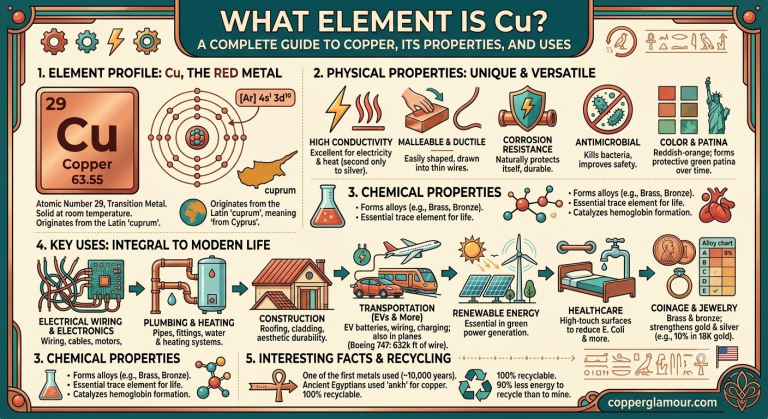
Copper is also one of the world’s most valuable engineering metals.
Manufacturers use copper in:
- Electrical wiring
- Renewable energy systems
- Electric vehicles
- Plumbing
- Telecommunications
- Roofing
- Industrial machinery
- Cookware
- Jewelry
- Decorative home accessories
Additionally, copper can be recycled repeatedly without losing its performance, making it one of the most sustainable metals available.
Copper in Artisan Craftsmanship
Copper has inspired artisans for centuries because of its warm appearance and exceptional workability.
Today, handcrafted mugs, bowls, kettles, bracelets, necklaces, and decorative accessories continue to showcase copper’s natural beauty while preserving traditional craftsmanship.
Discover handcrafted collections at Copper Glamour, where timeless artistry meets modern American design.
Frequently Asked Questions
What are copper pills used for?
Copper pills help increase dietary copper intake and support normal iron metabolism, connective tissue formation, energy production, and nervous system function.
Are copper tablets and copper pills the same?
Yes. Both provide elemental copper, although the delivery format may differ.
What is the best form of copper supplement?
Common forms include copper bisglycinate, copper gluconate, copper amino acid chelate, tablets, capsules, and liquid supplements. The most suitable choice depends on individual needs.
What are copper bisglycinate benefits?
Copper bisglycinate may support normal collagen formation, iron metabolism, connective tissue health, and energy metabolism as part of adequate copper intake.
What are copper gluconate benefits?
Copper gluconate provides elemental copper to support normal physiological functions, including immune function, connective tissue formation, and energy production.
What is the recommended copper supplement dosage?
For most healthy adults, the recommended dietary allowance is 0.9 mg daily, while the tolerable upper intake level is 10 mg daily from all sources combined unless otherwise directed by a healthcare professional.
Final Thoughts
Copper pills offer a convenient way to supplement an essential trace mineral when dietary intake alone is not sufficient. Whether you choose tablets, capsules, liquid supplements, copper bisglycinate, or copper gluconate, selecting a high-quality product and following recommended dosage guidelines are important. Since most healthy adults can obtain adequate copper through a balanced diet, supplementation should be based on individual needs and, when appropriate, professional healthcare advice.
Explore handcrafted copper jewelry, cookware, drinkware, and home décor at Copper Glamour.