What Is Copper Made Out Of? A Complete Guide to Copper’s Origin and Properties
What Is Copper Made Out Of?
Many people ask, what is copper made out of? The answer is straightforward: copper is a naturally occurring chemical element, not a material manufactured from other substances. Nature forms copper deep within the Earth’s crust over millions of years. Mining companies extract copper-rich ores, and refiners remove impurities to produce the high-purity metal used worldwide.
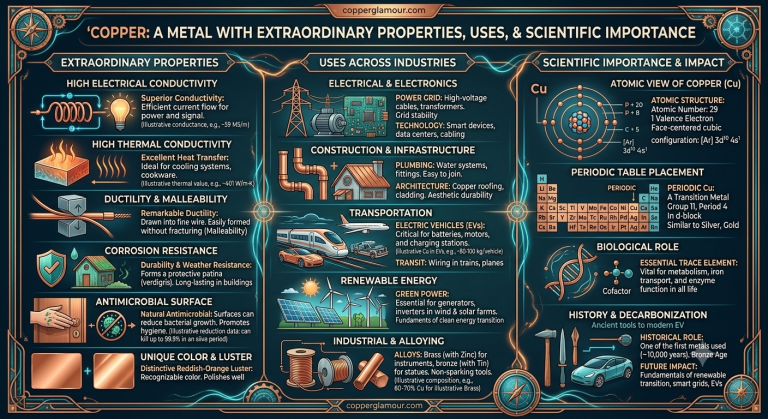
Because copper conducts electricity efficiently, resists corrosion, and lasts for decades, manufacturers use it in electrical wiring, plumbing, renewable energy systems, transportation, electronics, and decorative products.
At Copper Glamour, we transform premium copper into handcrafted mugs, cookware, jewelry, and home décor that showcase both its beauty and durability.
According to Wikipedia’s article on Copper, humans have worked with copper for more than 10,000 years, making it one of the oldest metals in recorded history.
Explore the Copper Glamour Collection to discover artisan-crafted copper products.
Where Does Copper Come From?
Copper develops naturally through geological processes beneath the Earth’s surface.
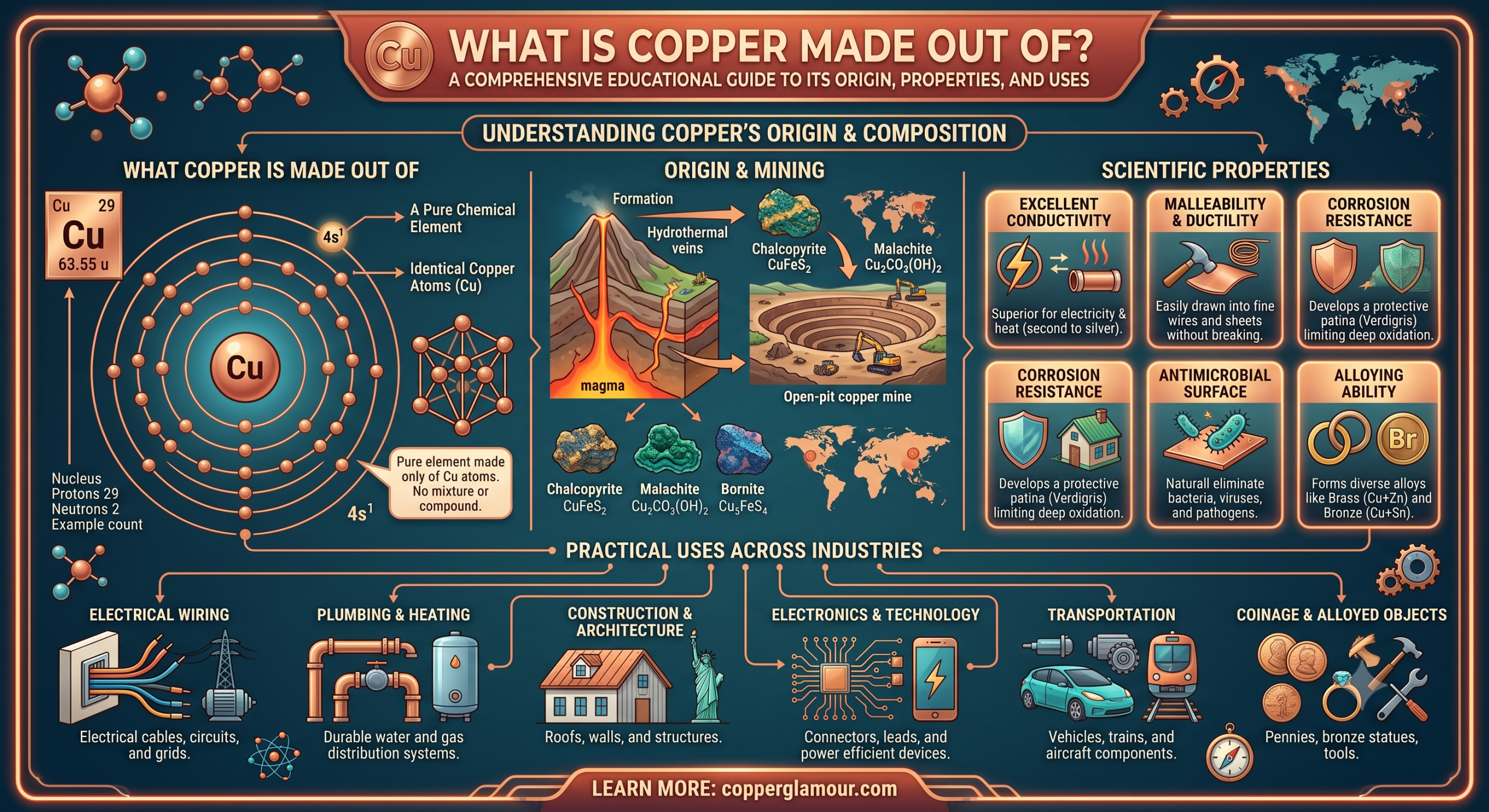
Large deposits occur inside mineral ores such as:
- Chalcopyrite
- Bornite
- Chalcocite
- Malachite
- Cuprite
Mining companies extract these ores before processing facilities crush, concentrate, smelt, and refine them. Consequently, the final product becomes nearly pure copper suitable for industrial manufacturing and artisan craftsmanship.
What Type of Element Is Copper?
Copper is a naturally occurring chemical element.
Its scientific characteristics include:
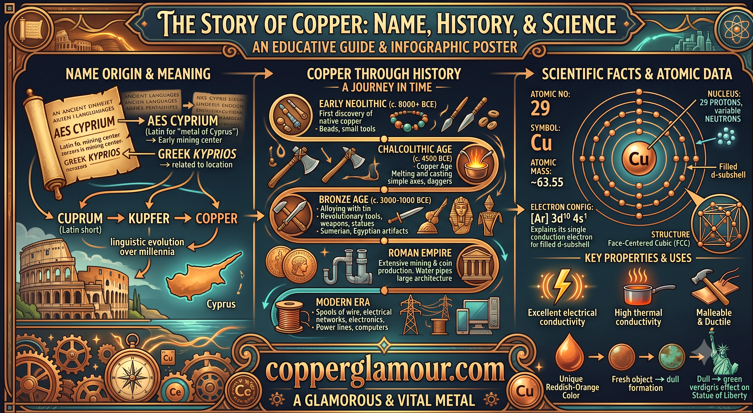
- Chemical symbol: Cu
- Atomic number: 29
- Atomic mass: 63.546 u
- Group: 11
- Period: 4
- Classification: Transition metal
Scientists classify copper as a transition metal because it combines strength, conductivity, and versatility.
What Type of Metal Is Copper?
Copper belongs to the transition metal family.
Engineers value copper because it offers:
- Excellent electrical conductivity
- Outstanding thermal conductivity
- High malleability
- Excellent ductility
- Strong corrosion resistance
- Excellent recyclability
Therefore, manufacturers choose copper for countless commercial and industrial applications.
Is Copper Metal?
Yes. Copper is a metal.
In fact, it ranks among the world’s most important engineering metals because it performs reliably under demanding conditions while remaining easy to recycle and reshape.
Copper Name and History
The modern English word copper originated from the Latin Cuprum.
Ancient Romans referred to the metal as aes Cyprium, meaning “metal of Cyprus.” Since Cyprus supplied significant quantities of copper throughout the ancient world, the name eventually evolved into Cuprum, then coper, and finally copper.
As a result, scientists continue using Cu as copper’s official chemical symbol.
What Is the Symbol for Copper?
The official chemical symbol for copper is Cu.
Scientists, engineers, manufacturers, and educators use this symbol internationally because it comes directly from the Latin name Cuprum.
Chemical Characteristics
Copper displays several important chemical properties that contribute to its popularity.
For example, copper:
- Forms a protective oxide layer when exposed to air.
- Commonly exhibits oxidation states of +1 and +2.
- Resists corrosion in many environments.
- Forms durable alloys with other metals.
- Maintains excellent long-term stability.
Manufacturers combine copper with zinc to create brass and with tin to create bronze, two alloys widely used around the world.
The American Chemical Society (ACS) provides additional educational information about copper’s chemistry and material science.
Physical State of Copper
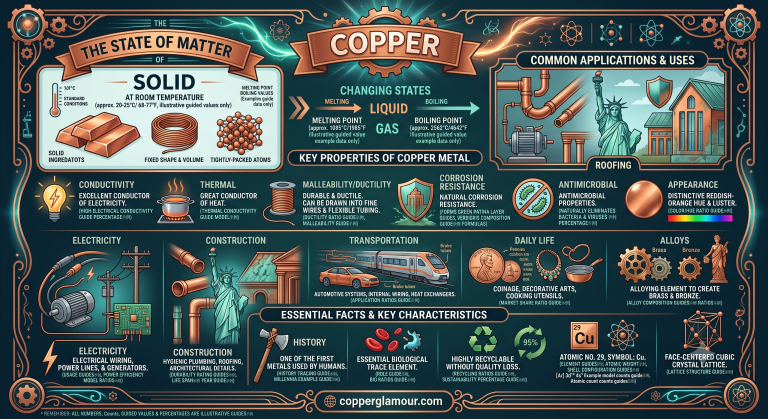
Under normal conditions, copper exists as a solid.
Its melting point is approximately 1,084°C (1,983°F), while its boiling point reaches approximately 2,562°C (4,644°F). Consequently, copper remains stable during everyday use in homes, factories, vehicles, and electrical systems.
Copper and Human Nutrition
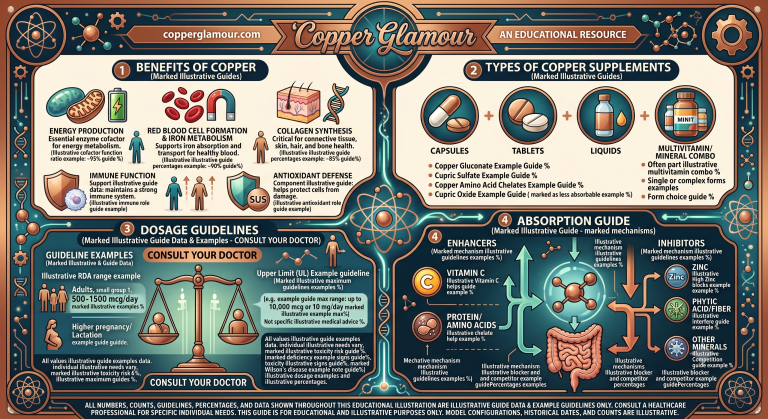
Copper also serves as an essential trace mineral in the human body.
Although people sometimes refer to it alongside vitamins, copper is not a vitamin. Instead, it helps support normal iron metabolism, connective tissue formation, energy production, and nervous system function.
The National Institutes of Health Office of Dietary Supplements explains recommended dietary intake, food sources, and the role of copper in maintaining normal health.
Copper Amino Acid Chelate
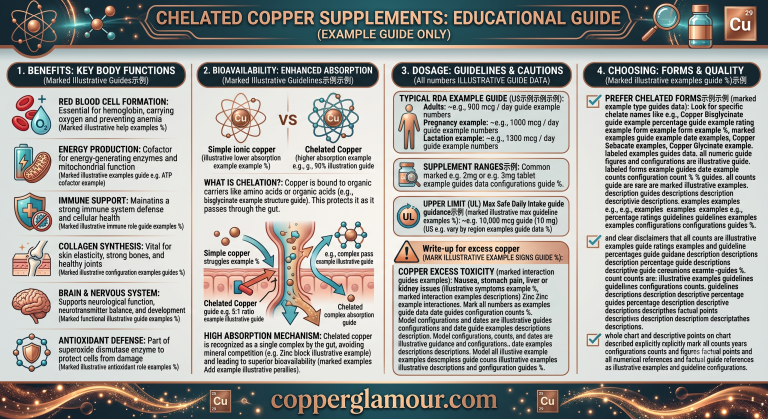
Manufacturers produce copper amino acid chelate by binding copper to amino acids. This form appears in some dietary supplements because amino acid chelates may support mineral absorption as part of a balanced diet.
Copper Supplements
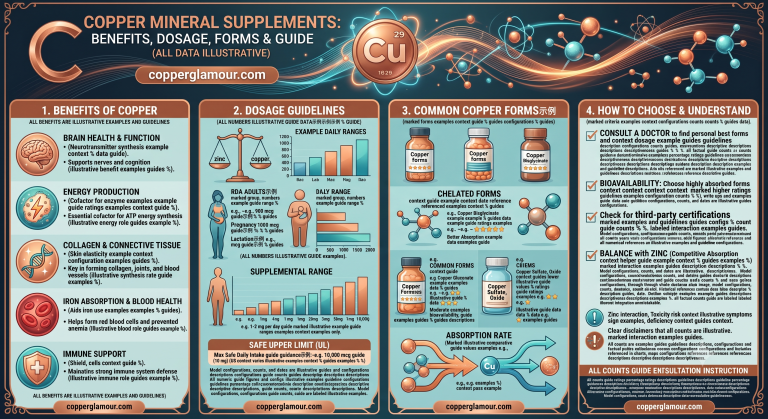
Copper supplements are available in several forms, including:
- Copper bisglycinate
- Copper gluconate
- Copper citrate
- Copper amino acid chelates
No single product qualifies as the best copper supplement for everyone. Individual nutritional needs vary, so people should follow product directions or consult a qualified healthcare professional before using supplements.
Everyday Uses of Copper
Copper supports modern life in countless ways.
Manufacturers use it in:
- Electrical wiring
- Solar panels
- Wind turbines
- Electric vehicles
- Plumbing systems
- Telecommunications
- Industrial machinery
- Roofing
- Kitchen cookware
- Jewelry
- Decorative home accessories
Furthermore, copper retains its valuable properties through repeated recycling, making it one of the world’s most sustainable engineering materials.
Research available through PubMed continues to explore copper’s role in materials science, engineering, and nutrition.
Copper in Artisan Craftsmanship
Copper’s warm color, durability, and workability continue to inspire artisans worldwide.
Skilled craftspeople create elegant mugs, kettles, bowls, bracelets, necklaces, and decorative accessories that highlight copper’s natural beauty. Over time, many handcrafted pieces develop a protective patina that adds character while helping preserve the underlying metal.
Discover beautifully handcrafted collections at Copper Glamour.
Frequently Asked Questions
What is copper made out of?
Copper is a naturally occurring chemical element extracted from copper-bearing mineral ores. It is not manufactured from other materials.
What type of metal is copper?
Copper is a transition metal known for its excellent conductivity, durability, and corrosion resistance.
What is the symbol for copper?
The official chemical symbol for copper is Cu.
Is copper a vitamin?
No. Copper is an essential trace mineral, not a vitamin.
What state of matter is copper?
Copper exists as a solid under normal room-temperature conditions.
How did copper get its name?
The name comes from the Latin Cuprum, which originated from aes Cyprium, meaning “metal of Cyprus.”
Final Thoughts
Copper is a naturally occurring element, not a material created from other substances. Geological processes formed it deep within the Earth’s crust, where mineral ores preserve it until mining companies extract and refine it. Moreover, copper’s remarkable conductivity, corrosion resistance, durability, and recyclability have made it indispensable in engineering, renewable energy, electronics, transportation, architecture, and artisan craftsmanship. Beyond its industrial value, copper also serves as an essential trace mineral that supports normal human health when consumed in appropriate amounts.
Discover handcrafted copper jewelry, cookware, drinkware, and home décor at Copper Glamour.
Scientists classify copper as a transition metal because it combines excellent conductivity, strength, and durability.
What Type of Metal Is Copper?
Copper belongs to the transition metal family.
Unlike many engineering materials, copper offers:
- Outstanding electrical conductivity
- Excellent thermal conductivity
- High malleability
- Excellent ductility
- Natural corrosion resistance
- Long service life
- Outstanding recyclability
Therefore, manufacturers rely on copper to produce electrical wiring, plumbing systems, electronic components, renewable energy equipment, and decorative products.
Is Copper Metal?
Yes, copper is a metal.
Moreover, it ranks among the world’s most important industrial metals because it performs exceptionally well under demanding conditions. Engineers, electricians, architects, and artisans all choose copper for its reliability and versatility.
Copper Name
The English word copper evolved from the Latin Cuprum, which itself came from the phrase aes Cyprium, meaning “metal of Cyprus.”
Since ancient Cyprus supplied much of the Roman world’s copper, the island became closely associated with the metal. Consequently, scientists adopted Cu from Cuprum as copper’s official chemical symbol.
How Did Copper Get Its Name?
Copper earned its name through centuries of linguistic evolution.
First, the Romans referred to the metal as aes Cyprium. Later, they shortened the name to Cuprum. Eventually, Old English speakers adopted the word coper, which gradually became the modern English word copper.
Although the language changed, the scientific symbol Cu remained the same.
What Are Copper’s Chemical Properties?
Copper possesses several important chemical properties that contribute to its widespread use.
For example, copper:
- Forms a protective oxide layer when exposed to oxygen.
- Commonly exhibits oxidation states of +1 and +2.
- Resists corrosion in many environments.
- Forms strong and durable alloys.
- Reacts moderately with many chemicals.
Manufacturers combine copper with zinc to produce brass and with tin to produce bronze, creating materials with enhanced strength and durability.
The American Chemical Society (ACS) offers detailed educational information about copper’s chemistry and material science.
What Is the State of Matter of Copper?
Under normal room-temperature conditions, copper exists as a solid.
Copper melts at approximately 1,084°C (1,983°F) and boils at approximately 2,562°C (4,644°F). Because of these high temperatures, copper remains stable during everyday use in homes, factories, and transportation systems.
What Is the Symbol for the Element Copper?
The official chemical symbol for copper is Cu.
Scientists use this abbreviation worldwide because it originates from the Latin name Cuprum. Therefore, every modern periodic table identifies copper using the symbol Cu.
Copper Amino Acid Chelate
Many dietary supplements contain copper amino acid chelate, a form of copper chemically bound to amino acids. Manufacturers create this form to support efficient absorption during digestion. Copper is an essential trace mineral that contributes to normal energy metabolism, connective tissue formation, iron transport, and nervous system function.
Copper Vitamin
Copper is not a vitamin. Instead, it is an essential trace mineral that the body requires in small amounts.
Many multivitamin and mineral supplements include copper because it supports several normal physiological processes. However, people generally obtain sufficient copper through a balanced diet, and supplements should only be used according to product directions or healthcare advice.
The National Institutes of Health Office of Dietary Supplements provides evidence-based guidance on dietary copper, food sources, recommended intake levels, and deficiency.
Why Copper Remains Essential Today
Copper continues to support modern life because it combines remarkable performance with sustainability.
Today, industries use copper in:
- Electrical wiring
- Renewable energy systems
- Electric vehicles
- Plumbing
- Telecommunications
- Industrial equipment
- Architecture
- Cookware
- Jewelry
- Decorative home accessories
Furthermore, manufacturers can recycle copper repeatedly without significantly reducing its quality. Consequently, copper remains one of the world’s most sustainable engineering materials.
Research available through PubMed continues to explore copper’s role in materials science, engineering, and human nutrition.
Copper in Artisan Craftsmanship
Copper has inspired artisans for thousands of years because it combines strength, beauty, and excellent workability.
Today, skilled craftspeople create elegant mugs, bowls, kettles, bracelets, necklaces, and decorative accessories that highlight copper’s distinctive reddish-orange color. Over time, many handcrafted pieces develop a natural protective patina that enhances their appearance while helping preserve the underlying metal.
Discover artisan-crafted collections at Copper Glamour, where traditional craftsmanship meets modern American design.
Frequently Asked Questions
What is copper made out of?
Copper is a naturally occurring chemical element extracted from copper-bearing mineral ores. It is not made from other materials.
What type of metal is copper?
Copper is a transition metal known for its excellent conductivity, durability, and corrosion resistance.
Is copper metal?
Yes. Copper is a naturally occurring transition metal.
What are copper’s chemical properties?
Copper forms a protective oxide layer, commonly exhibits +1 and +2 oxidation states, resists corrosion, and forms valuable alloys such as brass and bronze.
What is the state of matter of copper?
Copper is a solid under normal room-temperature conditions.
Is copper a vitamin?
No. Copper is an essential trace mineral, not a vitamin.
Final Thoughts
The answer to “What is copper made out of?” is that copper is a naturally occurring chemical element, not a material manufactured from other substances. Mining companies extract copper from mineral ores, and refiners produce high-purity copper for industrial, commercial, and decorative applications. Additionally, copper’s outstanding conductivity, corrosion resistance, durability, and recyclability continue to make it indispensable in electrical systems, renewable energy, transportation, architecture, and artisan craftsmanship. As an essential trace mineral, copper also plays an important role in normal human health when consumed in appropriate amounts.
Discover handcrafted copper jewelry, cookware, drinkware, and decorative home accessories at Copper Glamour.