1 mg Copper Supplements: Benefits, Recommended Dosage, Safety, and Choosing the Best Copper Supplement
1 mg Copper Supplements
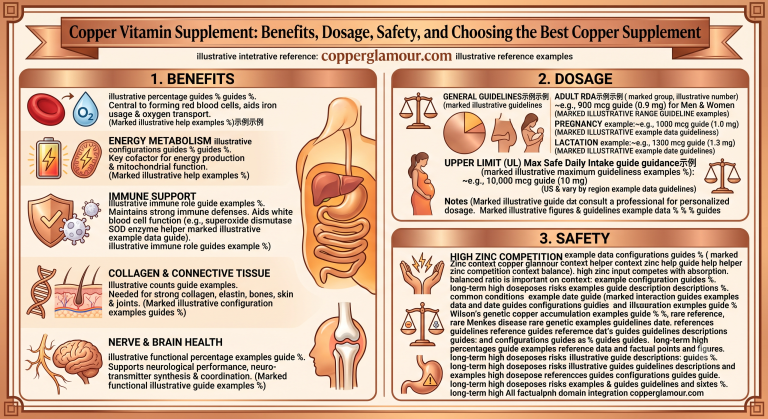
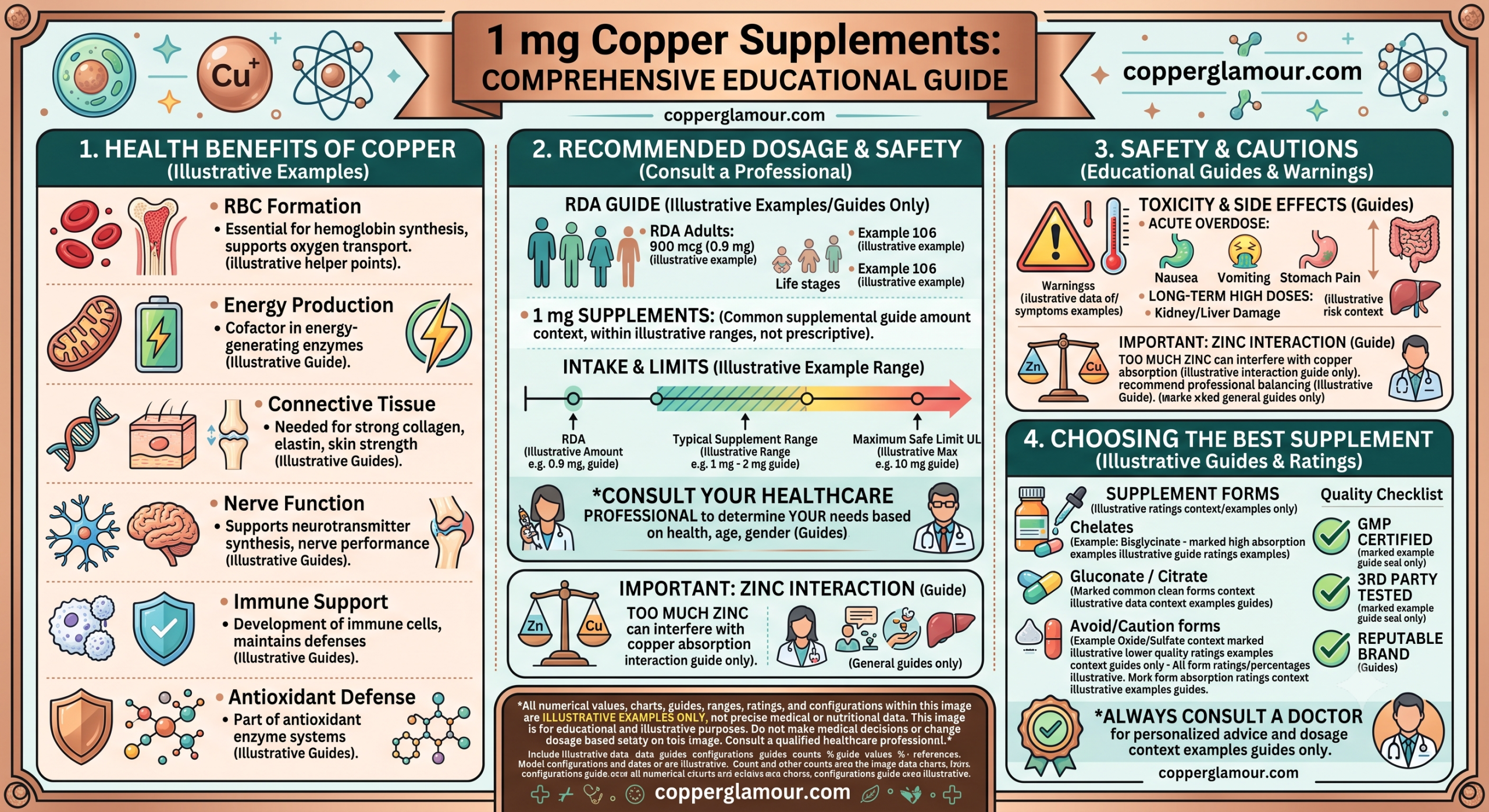
1 mg copper supplements provide a convenient amount of copper for individuals who need additional dietary intake of this essential trace mineral. Copper supports normal iron metabolism, connective tissue formation, nervous system function, immune health, antioxidant enzyme activity, and cellular energy production. Since the body cannot produce copper naturally, it must be obtained through food or, when appropriate, dietary supplements.
For many healthy adults, a balanced diet provides sufficient copper. However, healthcare professionals may recommend supplementation for people with increased nutritional needs or specific dietary considerations. Therefore, understanding the appropriate dosage and available supplement forms is important before choosing a product.
At Copper Glamour, we celebrate the beauty and versatility of copper through handcrafted jewelry, cookware, drinkware, and decorative home accessories inspired by one of history’s most remarkable metals.
According to Wikipedia’s article on Copper, copper has remained an essential material for thousands of years because of its exceptional physical properties and important biological functions.
Browse the Copper Glamour Collection to explore artisan-crafted copper products.
What Are 1 mg Copper Supplements?
A 1 mg copper supplement supplies one milligram of elemental copper in a single serving.
Manufacturers offer these supplements in several forms, including:
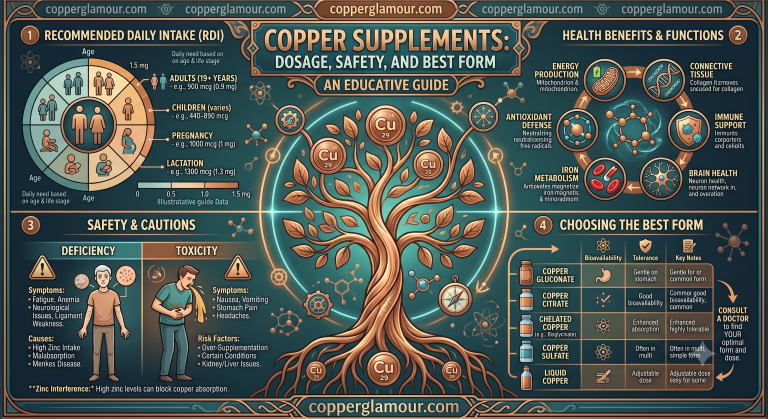
- Copper glycinate
- Copper bisglycinate
- Copper gluconate
- Copper amino acid chelate
- Copper citrate
Because one milligram is close to the Recommended Dietary Allowance for most healthy adults, this dosage is commonly available in standalone copper supplements and some multivitamins.
Copper Dosage
Copper requirements vary depending on age, sex, pregnancy, breastfeeding, diet, and overall health.
For most healthy adults:
- Recommended Dietary Allowance (RDA): 0.9 mg (900 micrograms) daily
- Tolerable Upper Intake Level (UL): 10 mg daily from food and supplements combined unless otherwise advised by a healthcare professional.
Consequently, a 1 mg copper supplement provides an amount that is very close to the daily recommended intake for most adults. Even so, total copper intake from both food and supplements should always be considered.
For reliable nutrition guidance, the National Institutes of Health Office of Dietary Supplements offers evidence-based information on copper intake, food sources, and supplement safety.
Copper Food Supplement
A copper food supplement is intended to complement healthy eating habits rather than replace nutritious foods.
Excellent natural dietary sources include:
- Oysters
- Crab
- Beef liver
- Cashews
- Almonds
- Sunflower seeds
- Sesame seeds
- Lentils
- Mushrooms
- Dark chocolate
- Whole grains
Because these foods naturally contain copper, many healthy adults can meet their daily requirements without additional supplementation.
Copper Mineral Supplement
Copper is classified as an essential trace mineral because the body requires only small amounts for normal function.
As a copper mineral supplement, copper contributes to:
- Healthy enzyme activity
- Iron transport
- Connective tissue formation
- Nervous system support
- Immune function
- Cellular energy metabolism
Therefore, maintaining adequate copper intake supports many important physiological processes.
Best Type of Copper Supplement
The best type of copper supplement depends on several important considerations.
Look for products that:
- Clearly list the amount of elemental copper.
- Use high-quality ingredients.
- Follow recognized manufacturing standards.
- Provide transparent labeling.
- Are produced by reputable manufacturers.
Additionally, independent quality testing can provide greater confidence when comparing supplements.
Best Copper Supplement to Take
The best copper supplement to take is one that matches your nutritional needs while providing a clearly labeled amount of elemental copper.
Popular options include:
- Copper glycinate
- Copper bisglycinate
- Copper gluconate
- Copper amino acid chelate
Rather than focusing only on one formulation, consider product quality, dosage, and professional healthcare advice before making a decision.
Copper 1 Supplement
Many consumers search specifically for a copper 1 supplement because the dosage closely matches the Recommended Dietary Allowance.
A 1 mg copper supplement may be appropriate for individuals who:
- Want a dosage near the daily recommendation.
- Prefer standalone copper supplements.
- Wish to complement dietary copper intake.
However, supplementation should always be based on individual nutritional requirements rather than routine use alone.
Copper Beyond Nutrition
Copper’s importance extends far beyond human nutrition.
Today, manufacturers use copper in:
- Electrical wiring
- Renewable energy systems
- Electric vehicles
- Plumbing
- Telecommunications
- Roofing
- Industrial machinery
- Cookware
- Jewelry
- Decorative home accessories
Moreover, copper is one of the world’s most recyclable engineering materials, making it an environmentally responsible choice.
Research available through PubMed continues to investigate copper’s role in nutrition, metabolism, and overall health.
Style Your Home with Copper and Black Glass
Beyond supplementation, copper also adds warmth and sophistication to interior design. Pairing handcrafted copper drinkware with black glass drinking glasses, black glass cups, or elegant black glasses drinking collections creates a modern contrast that complements contemporary dining spaces.
Whether you’re serving guests or updating your kitchen décor, combining copper with black glassware creates a timeless and refined presentation.
Visit Copper Glamour to discover handcrafted copper mugs, serving pieces, jewelry, and decorative home accessories.
Frequently Asked Questions
Is a 1 mg copper supplement enough?
For many healthy adults, 1 mg of elemental copper is very close to the Recommended Dietary Allowance of 0.9 mg per day. Individual nutritional needs may vary depending on diet, age, and overall health.
What is the recommended copper dosage?
For most healthy adults, the Recommended Dietary Allowance is 0.9 mg daily, while the Tolerable Upper Intake Level is 10 mg daily from food and supplement sources combined unless otherwise directed by a healthcare professional.
What is the best type of copper supplement?
Common options include copper glycinate, copper bisglycinate, copper gluconate, copper amino acid chelate, and copper citrate. The ideal choice depends on individual nutritional needs and professional guidance.
Can I get enough copper from food?
Yes. Many healthy adults meet their copper requirements through foods such as oysters, beef liver, nuts, seeds, whole grains, mushrooms, and dark chocolate.
What is a copper mineral supplement?
A copper mineral supplement provides elemental copper to help support normal iron metabolism, connective tissue formation, nervous system function, immune health, and cellular energy production.
Why are black glass drinking glasses mentioned with copper products?
Copper and black glass drinking glasses complement each other visually. Their contrasting finishes create an elegant and modern table setting that is popular in contemporary home décor.
Final Thoughts
1 mg copper supplements provide a practical option for individuals seeking a copper dosage that closely matches the Recommended Dietary Allowance for most adults. Additionally, selecting a high-quality supplement from a reputable manufacturer, following recommended dosage guidelines, and maintaining a balanced diet rich in natural copper sources are the most effective ways to support healthy copper intake. Finally, if you appreciate timeless home décor, handcrafted copper accessories paired with black glass drinking glasses and black glass cups create a sophisticated combination that blends classic craftsmanship with modern style.
Complete your collection with handcrafted copper jewelry, cookware, drinkware, and home décor at Copper Glamour.