Copper Deficiency
Copper Deficiency
Understanding Copper Deficiency Symptoms and Nutritional Balance
Copper is a trace mineral that plays an important role in many biological functions in the human body. Although it is required only in small amounts, it contributes to processes such as enzyme activity, nervous system health, and copper and red blood cell production. When the body does not receive enough copper from diet or absorption, copper deficiency may occur.
Across Canada, awareness of mineral balance and nutrition has increased as more people explore how trace minerals support everyday health. Copper deficiency is considered uncommon in healthy individuals with balanced diets, but it can occur under certain circumstances such as malabsorption disorders or long-term nutritional imbalances.
For background on copper as a trace element and its biological roles, you can explore copper on Wikipedia, which explains how copper participates in metabolic and physiological functions in the body.
This article explores copper deficiency symptoms, potential causes, and general approaches to understanding nutritional copper levels.
What Is Copper Deficiency
Copper deficiency occurs when the body lacks sufficient copper to support normal physiological processes. Copper functions as a cofactor for several enzymes that support energy production, connective tissue development, and neurological activity.
Because copper works closely with iron metabolism, it also contributes to copper and red blood cell production. Without adequate copper, the body may have difficulty maintaining optimal red blood cell formation.
Although rare in most healthy populations, low copper levels can develop in individuals with certain medical conditions or nutritional imbalances.
Copper Deficiency Symptoms
The symptoms of copper deficiency can vary depending on the severity and duration of the deficiency. In some cases, symptoms develop gradually and may overlap with other nutritional deficiencies.
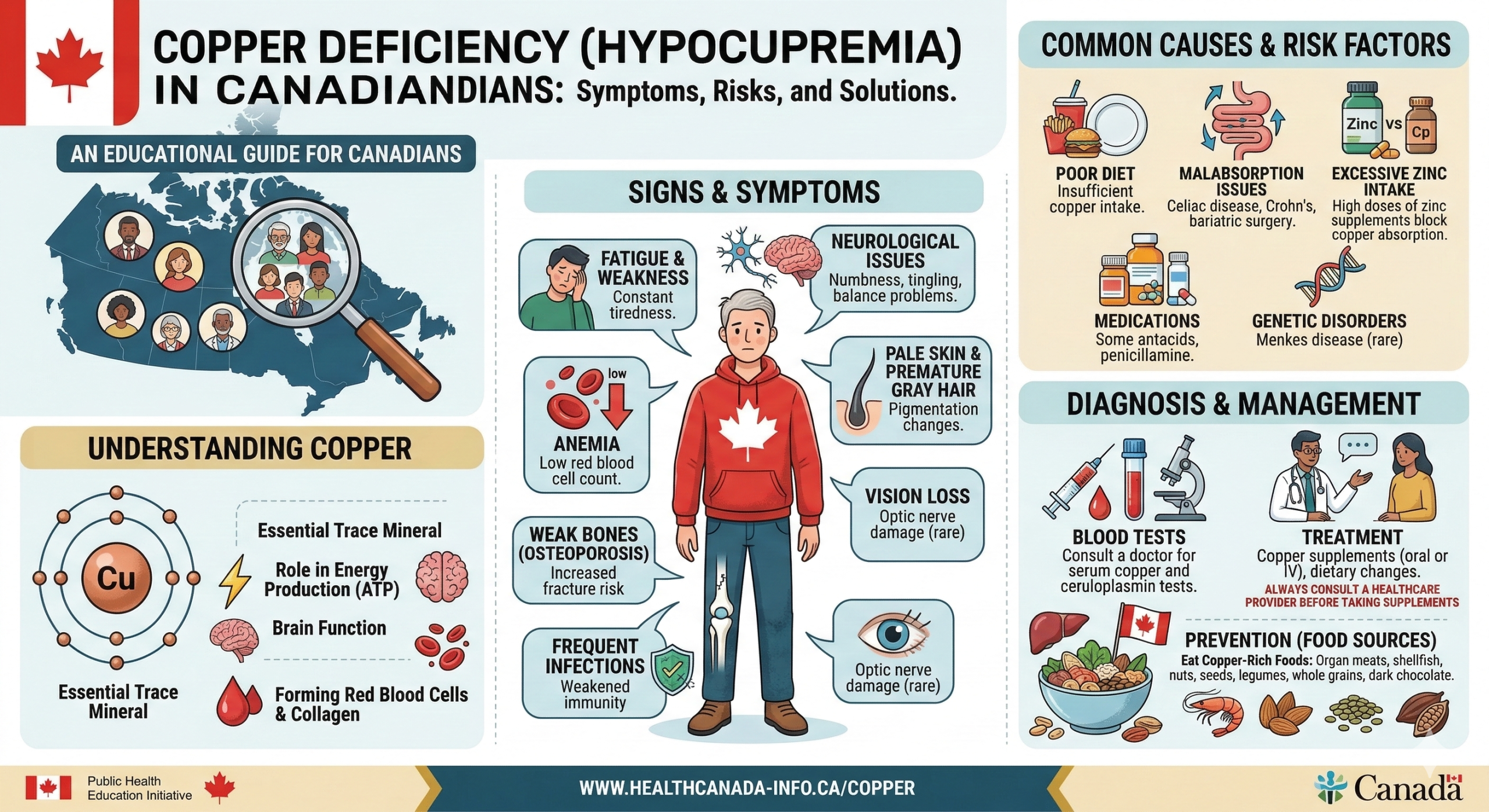
Common low copper symptoms may include:
Fatigue or reduced energy
Pale skin related to anemia
Weak immune response
Bone or connective tissue concerns
Neurological symptoms affecting coordination
Additionally, cu deficiency symptoms may involve changes in nerve function or movement patterns. However, symptoms should always be evaluated by healthcare professionals because they can resemble other health conditions.
Copper Deficiency Neurological Symptoms
One area often discussed in medical literature involves copper deficiency neurological symptoms. Copper plays a role in the nervous system because certain enzymes involved in nerve signaling require copper.
In rare cases, severe copper deficiency has been associated with neurological complications. One condition that has been described in clinical research is copper deficiency myelopathy, a neurological disorder affecting the spinal cord.
You can learn more about this condition by exploring myelopathy on Wikipedia, which explains how spinal cord disorders can affect movement and nerve function.
However, neurological conditions can have many causes. Therefore, proper medical evaluation is essential before assuming a mineral deficiency is responsible.
Causes of Copper Deficiency
Several factors may contribute to lack of copper disease or reduced copper levels.
Possible causes include:
Poor dietary intake of copper
Malabsorption conditions affecting nutrient absorption
Excess zinc supplementation, which may interfere with copper absorption
Certain gastrointestinal surgeries
Long-term nutritional imbalances
Because copper is present in many foods, most individuals obtain sufficient amounts through a balanced diet. Foods such as nuts, seeds, whole grains, and seafood often contain copper naturally.
Low Copper and Red Blood Cell Production
Copper plays a role in iron metabolism and the formation of hemoglobin. Therefore, low copper levels may influence copper and red blood cell production, which can sometimes contribute to anemia-related symptoms.
When copper is insufficient, the body may struggle to properly transport and utilize iron. As a result, red blood cell production may be affected.
However, anemia can have many causes including iron deficiency, vitamin deficiencies, and chronic illness. Proper testing is required to determine the underlying cause.
Treatment of Copper Deficiency
The treatment of copper deficiency typically depends on identifying the underlying cause. Healthcare professionals may recommend dietary adjustments or supplements when appropriate.
General approaches to treat copper deficiency may include:
Increasing dietary copper intake
Addressing malabsorption conditions
Adjusting zinc supplementation levels
Medical supervision for severe deficiency
Because mineral balance in the body is complex, treatment should always be guided by healthcare professionals rather than self-diagnosis.
Copper in Everyday Lifestyle Products
Beyond nutrition, copper has historically been used in everyday household items such as cookware, water vessels, and decorative objects. These traditions reflect copper’s durability and versatility as a material.
At Copper Glamour, copper is appreciated primarily for its craftsmanship and heritage value. Products such as copper cups, kettles, and jewelry reflect traditional design while fitting into modern lifestyles.
You can explore more about traditional copper uses in our Copper Healing Hub, where we discuss the cultural history of copper vessels and jewelry.
Copper Awareness in Canada
In Canada, interest in nutrition and mineral balance has grown as people pay closer attention to overall wellness. Understanding trace minerals such as copper can help individuals make informed dietary choices.
However, it is important to recognize that copper deficiency diseases are relatively uncommon in individuals with balanced diets. Maintaining a varied and nutritious diet remains the most reliable way to support mineral intake.
Healthcare professionals and registered dietitians remain the best source of guidance when evaluating symptoms or potential nutrient deficiencies.
Frequently Asked Questions
What are the common symptoms of copper deficiency?
Common copper deficiency symptoms may include fatigue, anemia-related signs, immune changes, and neurological concerns.
Can low copper affect red blood cells?
Yes, copper contributes to iron metabolism and red blood cell production, which is why severe deficiency may influence anemia.
What causes copper deficiency?
Copper deficiency can occur due to malabsorption disorders, poor dietary intake, or excessive zinc supplementation.
How is copper deficiency treated?
Treatment may include dietary adjustments or supplements under medical supervision.
Is copper deficiency common in Canada?
No, it is generally uncommon in individuals with balanced diets.
Conclusion
Copper is a trace mineral that contributes to many biological processes, including enzyme activity, nerve function, and copper and red blood cell production. While copper deficiency can occur in rare cases, it is typically associated with underlying medical conditions or nutritional imbalances.
Understanding the signs of low copper symptoms and maintaining awareness of dietary balance can help individuals make informed health decisions. However, any suspected deficiency should always be evaluated by healthcare professionals to ensure proper diagnosis and treatment.